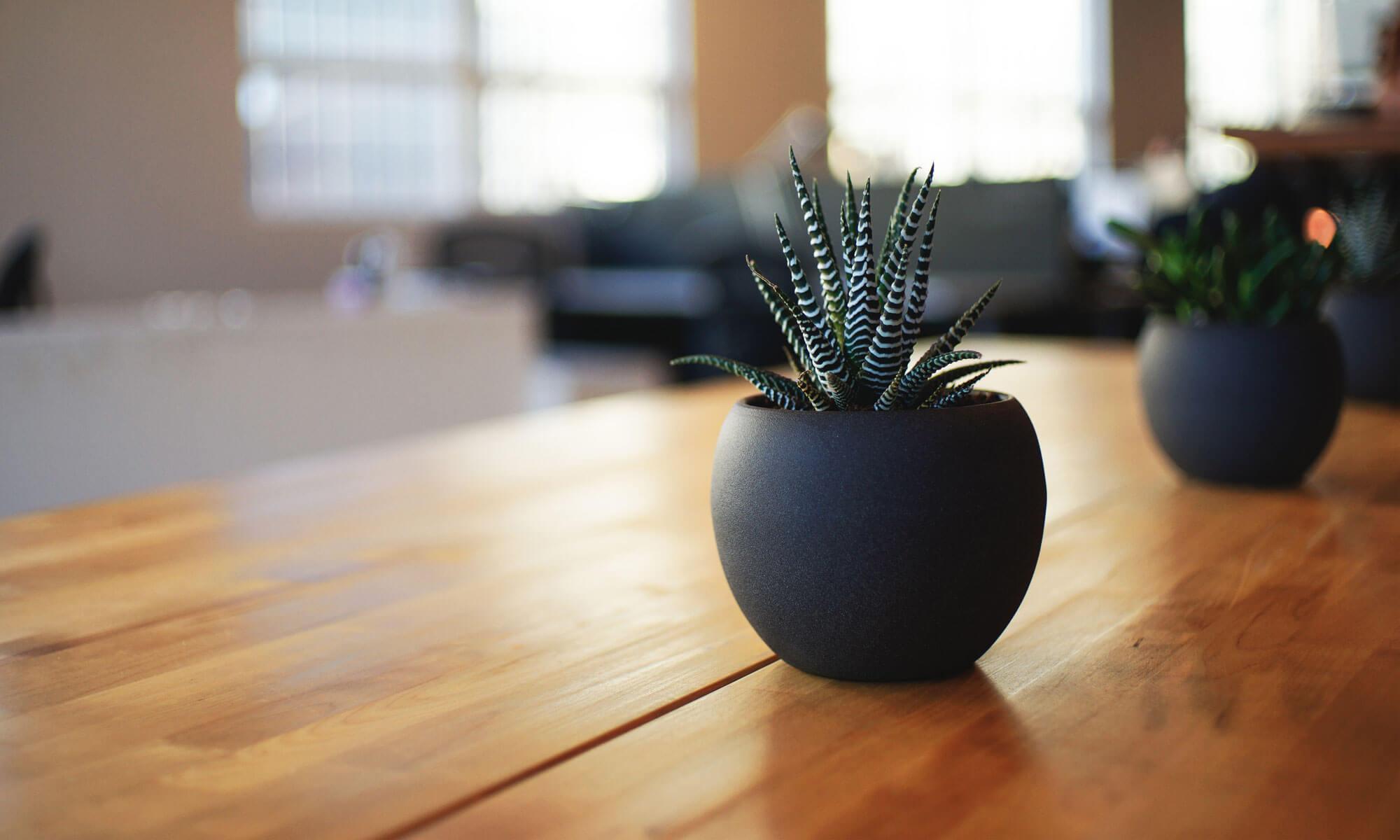
- Exceptional design ideas featuring https://spin-pin.uk for a stylish living space
- The Power of Statement Furniture
- Choosing the Right Focal Point
- Adding Personality with Decorative Accessories
- Curating a Cohesive Collection
- The Importance of Lighting
- Layering Light for Ambience
- Color Palettes and Their Impact
- Maximizing Space in Smaller Homes
Exceptional design ideas featuring https://spin-pin.uk for a stylish living space
Creating a stylish and functional living space often feels like a complex puzzle, requiring careful consideration of aesthetics, practicality, and personal taste. The desire for unique and eye-catching design elements frequently leads homeowners to explore diverse sources of inspiration. For those seeking extraordinary design ideas, https://spin-pin.uk offers a curated collection of products and concepts designed to elevate any interior. From statement furniture pieces to subtle decorative accents, the site provides a wealth of possibilities for transforming a house into a home that truly reflects individual style.
The key to successful interior design lies in the harmonious blend of various elements – color palettes, textures, lighting, and, of course, furniture. It’s about more than simply filling a space; it’s about crafting an environment that fosters comfort, encourages creativity, and embodies a sense of personal identity. Modern design trends often favor minimalism and functionality, but incorporating unique pieces and artistic flair can prevent a space from feeling sterile or impersonal. A well-chosen item can be the focal point of a room, sparking conversation and adding character.
The Power of Statement Furniture
Furniture serves as the foundation of any well-designed room, and statement pieces can dramatically elevate the overall aesthetic. These aren’t necessarily the most expensive items, but rather those that possess a unique design, intriguing texture, or bold color that instantly draws the eye. Considering the architectural style of your home is paramount when selecting statement furniture; a sleek, modern sofa might feel out of place in a rustic farmhouse, whereas a richly upholstered armchair could complement a classic Victorian interior. When choosing these key pieces, remember the importance of scale and proportion. Overly large furniture can overwhelm a small space, while undersized pieces can appear lost and insignificant in a larger room.
Choosing the Right Focal Point
Identifying a focal point helps to anchor the design of a room and create a sense of visual balance. This could be a striking piece of artwork, a dramatic fireplace, or a particularly eye-catching piece of furniture. Once the focal point is established, you can build the rest of the design around it, selecting complementary colors, textures, and accessories. Don't be afraid to experiment with different arrangements to see what works best for your space. Sometimes, simply rearranging existing furniture can make a significant difference. Consider the flow of traffic and ensure that the focal point is easily visible from multiple angles within the room.
| Furniture Style | Ideal Room Setting |
|---|---|
| Mid-Century Modern | Living Rooms, Home Offices, Dining Areas |
| Bohemian | Bedrooms, Sunrooms, Relaxed Living Spaces |
| Industrial | Lofts, Urban Apartments, Studies |
| Farmhouse | Kitchens, Family Rooms, Country Homes |
Investing in quality furniture is always a wise decision. Pieces constructed from durable materials will not only last longer but also maintain their aesthetic appeal over time. Think about the functionality of the furniture as well. A sofa with built-in storage can be a lifesaver in a small apartment, while a dining table that extends to accommodate larger gatherings is perfect for entertaining. Prioritize pieces that seamlessly blend style and practicality.
Adding Personality with Decorative Accessories
While furniture provides the structure of a room, decorative accessories inject personality and character. These smaller details—such as cushions, throws, artwork, and plants—offer an opportunity to express your individual style and create a space that feels truly your own. Accessories are also a relatively inexpensive way to update your décor without undertaking a major renovation. Experimenting with different textures, patterns, and colors can dramatically alter the mood of a room. Layering textures, for example, creates a sense of depth and warmth, while bolder colors can add a vibrant energy.
Curating a Cohesive Collection
When selecting decorative accessories, aim for a cohesive collection that reflects your personal aesthetic. This doesn’t mean everything has to match perfectly, but rather that the items should complement each other in terms of color, texture, and style. Consider creating a mood board to visualize how different elements will work together. Don't be afraid to mix and match different styles, but do so with intention. A touch of vintage charm can add character to a modern space, while a sleek, contemporary piece can add sophistication to a more traditional setting. Remember to edit your collection regularly, removing items that no longer serve a purpose or fit your evolving style.
- Curate items reflecting a consistent color palette.
- Mix textures – velvet, linen, wood, metal.
- Incorporate personal mementos and artwork.
- Don’t overcrowd the space; allow items to breathe.
- Rotate accessories seasonally to refresh the look.
Plants are an excellent way to bring life and vibrancy into a room. They not only add a touch of nature but also help to purify the air. Choose plants that are appropriate for the lighting conditions in your home and be sure to provide them with the necessary care. Vases, sculptures, and candles can also add visual interest and create a cozy atmosphere. Remember that accessories should enhance the overall design of the room, not distract from it.
The Importance of Lighting
Lighting plays a crucial role in shaping the mood and functionality of a space. Natural light is always ideal, but it’s often necessary to supplement it with artificial lighting to create a well-lit and inviting environment. There are three main types of artificial lighting: ambient, task, and accent. Ambient lighting provides overall illumination, task lighting focuses on specific areas for activities like reading or cooking, and accent lighting highlights particular features or objects. A well-designed lighting scheme incorporates all three types to create a balanced and versatile space.
Layering Light for Ambience
Layering light is the key to creating a sophisticated and inviting atmosphere. Start with ambient lighting, such as recessed lights or a ceiling fixture, to provide a general level of illumination. Then, add task lighting, such as lamps or under-cabinet lighting, to focus light on specific areas where you need it. Finally, use accent lighting, such as spotlights or wall sconces, to highlight artwork, architectural features, or other decorative elements. Dimmer switches are an excellent way to control the intensity of the light and create different moods. Consider the color temperature of the light bulbs as well; warmer tones are more inviting, while cooler tones are more energizing.
- Start with ambient lighting.
- Add task lighting for specific areas.
- Use accent lighting to highlight features.
- Install dimmer switches for control.
- Choose appropriate color temperatures.
When choosing light fixtures, consider the style of your home and the overall aesthetic you’re trying to achieve. A modern pendant light can add a sleek touch to a contemporary kitchen, while a traditional chandelier can create a sense of elegance in a dining room. Don't overlook the importance of natural light; maximize it by using sheer curtains or blinds that allow light to filter through.
Color Palettes and Their Impact
Color is one of the most powerful tools in interior design, capable of evoking a wide range of emotions and influencing the overall atmosphere of a space. Choosing the right color palette is essential for creating a harmonious and visually appealing environment. Consider the size of the room, the amount of natural light it receives, and the mood you want to create when selecting colors. Cool colors, such as blues and greens, tend to create a calming and relaxing atmosphere, while warm colors, such as reds and oranges, add energy and vibrancy.
Neutral colors, such as whites, grays, and beiges, provide a versatile backdrop for other colors and textures. They can also make a small space feel larger and more open. Don't be afraid to experiment with different color combinations, but be sure to consider the principles of color theory to ensure that the colors complement each other. Using a color wheel can help you to identify harmonious color palettes. When in doubt, it’s often best to start with a neutral base and add pops of color through accessories.
Maximizing Space in Smaller Homes
Living in a smaller home presents unique design challenges, but it also offers an opportunity to get creative and maximize the use of available space. Multifunctional furniture is a key element in small-space design. Ottomans with hidden storage, sofa beds, and dining tables that fold away can all help to make the most of limited square footage. Vertical storage is another excellent way to maximize space. Tall bookshelves, wall-mounted cabinets, and floating shelves can all help to keep clutter at bay and create a more organized environment.
Mirrors can also be used to create the illusion of more space. Placing a large mirror on a wall can reflect light and make a room feel larger and brighter. Light colors can also help to open up a space, while dark colors tend to make it feel smaller. Decluttering is essential in a small home. Regularly get rid of items you no longer need or use to prevent clutter from taking over. Embrace minimalism and focus on quality over quantity. Resources like those found on sites like https://spin-pin.uk can inspire clever storage solutions and space-saving designs, proving you don't need a large home to have a stylish living space.